|
|
We conclude our Archaeological Reports Sale by featuring publications from a major regional research project—The Madaba Plains Project. The latest volume releases this week! Learn more and browse all the books in the series here.
Now until 5/24, enter promo code ARC26 at checkout to save 40% on all books from Eisenbrauns, and get a free eco-friendly Eisenbrauns “field mug”—made from biodegradable wheat straw—with your order!
Offer valid on US orders only, while supplies last. |
|
|
|
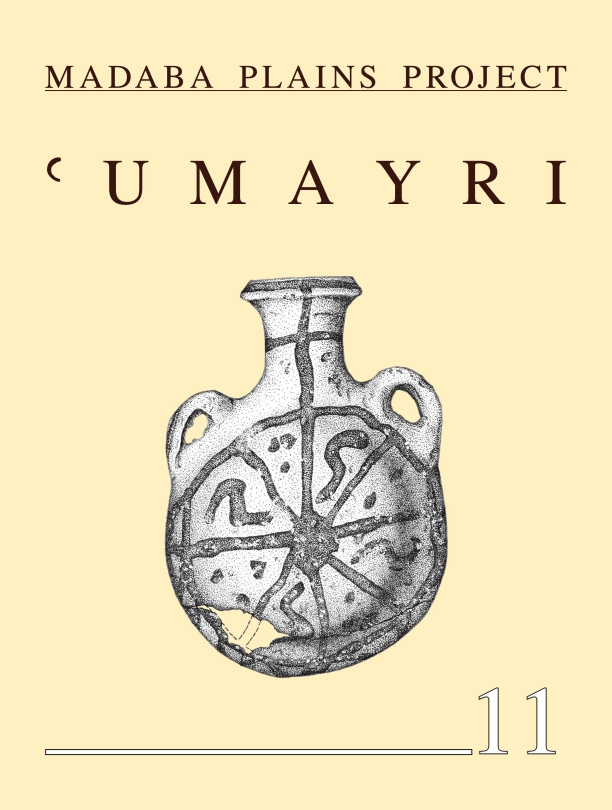
Edited by Larry G. Herr, Douglas R. Clark, Lawrence T. Geraty, and Monique Roddy The official report of the 2008 Madaba Plains Project excavations at Tall al-‘Umayri documents a pivotal season of large-scale fieldwork that deepens our understanding of Bronze and Iron Age settlement patterns in western Jordan and establishes a comprehensive, enduring archive of the site’s archaeological data. | | | |
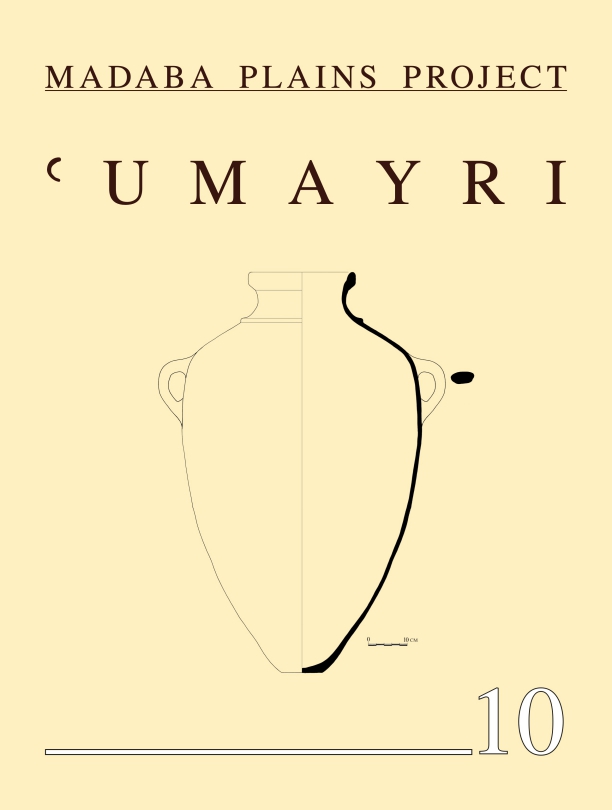
Edited by Larry G. Herr, Douglas R. Clark, Lawrence T. Geraty, and Monique D. Vincent This volume is the tenth in a series of technical seasonal reports on the excavations of Tall al-ʿUmayri, Jordan, part of the Madaba Plains Project. It covers artifactual finds and related research from excavation fields active during the 2006 season. | | | |
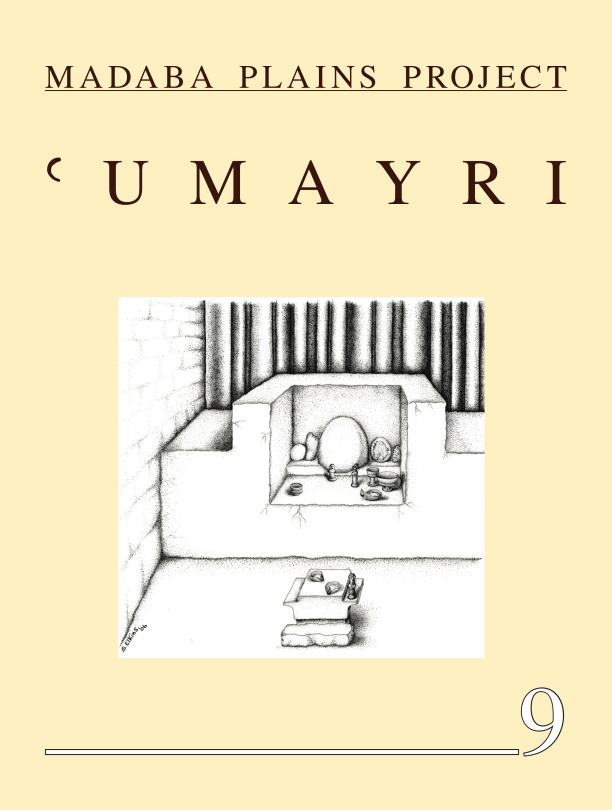
Edited by Larry G. Herr, Douglas R. Clark, and Lawrence T. Geraty Modeled after previous seasonal reports, this ninth volume of the Madaba Plains Project’s excavations at Tall al-ʿUmayri, Jordan gives a detailed accounting of the artifactual finds from the 2004 season of the excavations, accompanied by hundreds of photos and supplemented with related research. | | | |
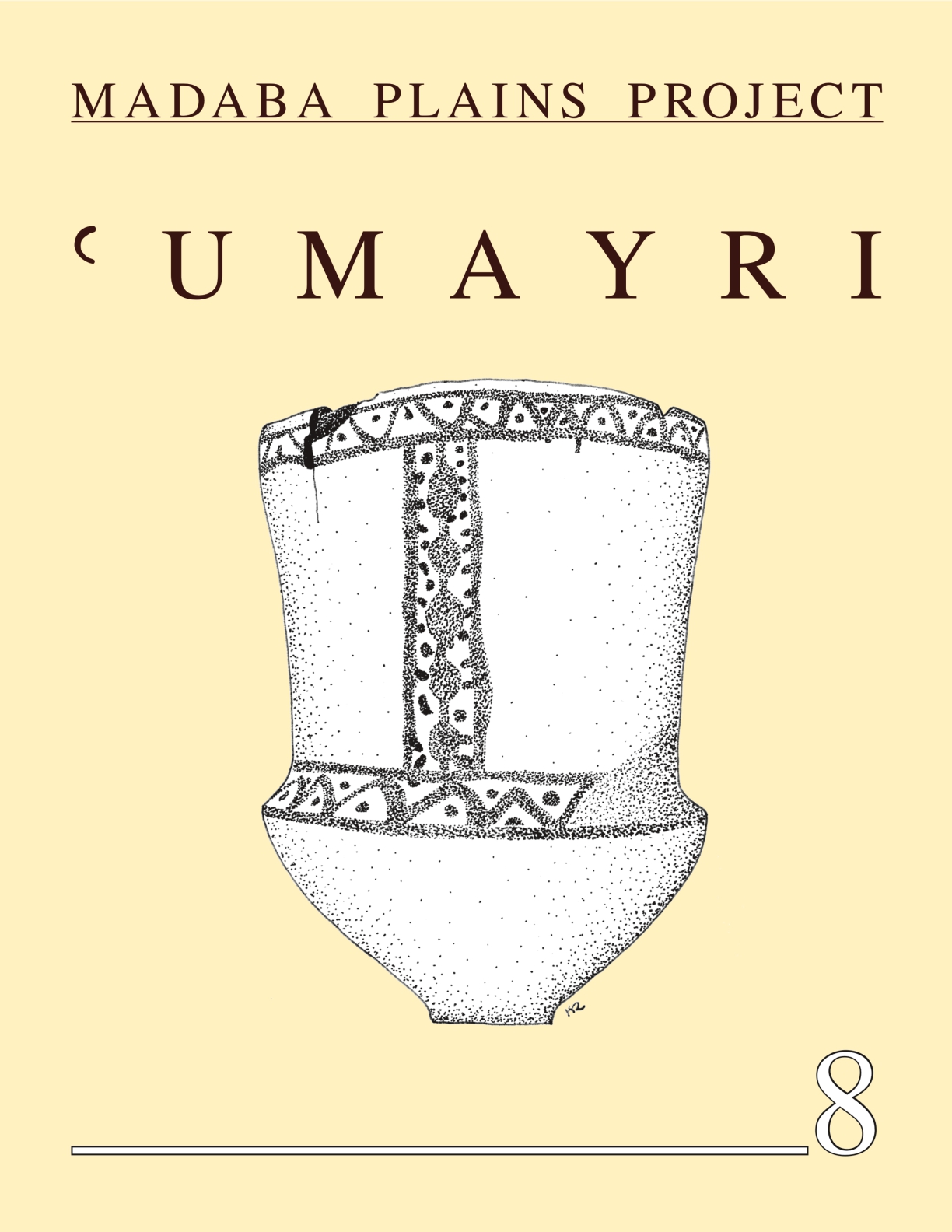
Edited by Larry G. Herr, Douglas R. Clark, and Lawrence T. Geraty This eighth volume of the Madaba Plains Project’s excavations at Tall al ʿUmayri covers the important finds of the 2002 season, updating and synthesizing the work that has been done to date.Accompanied by more than two hundred illustrations, it includes a summary of the cumulative results of all excavation seasons from 1984 through 2002, with a detailed description of the various levels that have been discovered. The contributions to this volume discuss at length the | | | |
Edited by Larry G. Herr, Douglas R. Clark, and Lawrence T. Geraty The seventh volume of the Tall al-ʿUmayri seasonal publication series covers the important finds of the excavations in 2000. Illustrated with nearly 500 images, some in color, this volume includes a report on the initial discovery of the large Late Bronze Age building and a report on the second major house dating to the Late Bronze/Iron I transition. How did people live in the ancient world? These two houses go a long way in answering that question. | | | |
|
|
|
|