|
|
Just a reminder that the Eisenbrauns Holiday Sale is almost over. If there are titles you’ve been meaning to add to your shelves, now’s the time!
Through December 19, enjoy 40% off all Eisenbrauns books. Use promo code HBS25 at checkout before the sale ends.
Explore featured titles below and stock up while you can! |
|
|
|
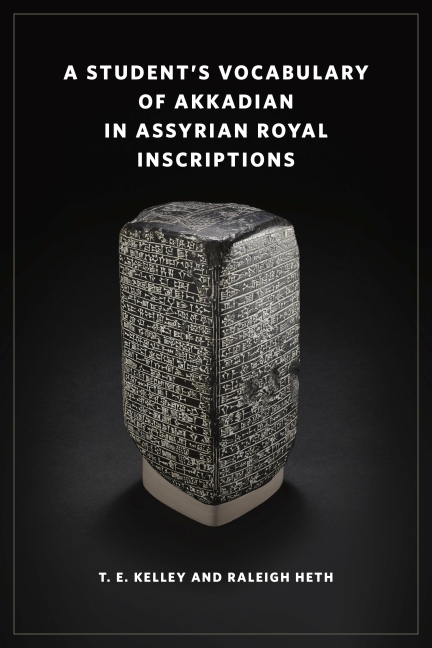
T. E. Kelley and Raleigh Heth “This Student’s Vocabulary offers a well-structured approach to learning and memorizing the vocabulary used in Assyrian royal inscriptions. Since it is organized according the frequency of attestations for each word, students will quickly make progress in their ability to read and understand texts from this fascinating corpus—and therefore will soon start enjoying their reading. And since the most frequently used words are also frequent in other corpora, this Student’s Vocabulary also facilitates the approach to other Akkadian corpora as well and consequently will prove helpful for any student of Akkadian.”
—Frauke Weiershäuser, coauthor of The Royal Inscriptions of Nabopolassar (625-605 BC) and Nebuchadnezzar II (604-562 BC), Kings of Babylon, Part 1
| | | |
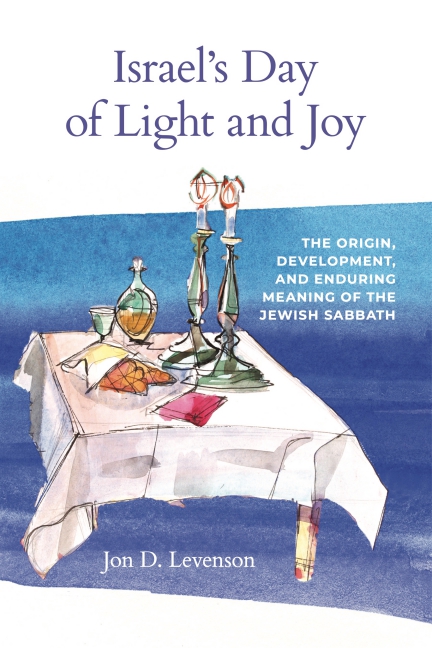
The Origin, Development, and Enduring Meaning of the Jewish SabbathJon D. Levenson “Israel’s Day of Light and Joy provides an in-depth presentation of the origins and evolution of the Sabbath, from its beginnings to the present day. It emphasizes the purpose and spiritual significance of the Sabbath for the contemporary Jewish and non-Jewish societies. Ultimately, Levenson’s book makes a valuable contribution to the study of the Sabbath.”
—Ottilia Lukács, Review of Biblical Literature
| | | |
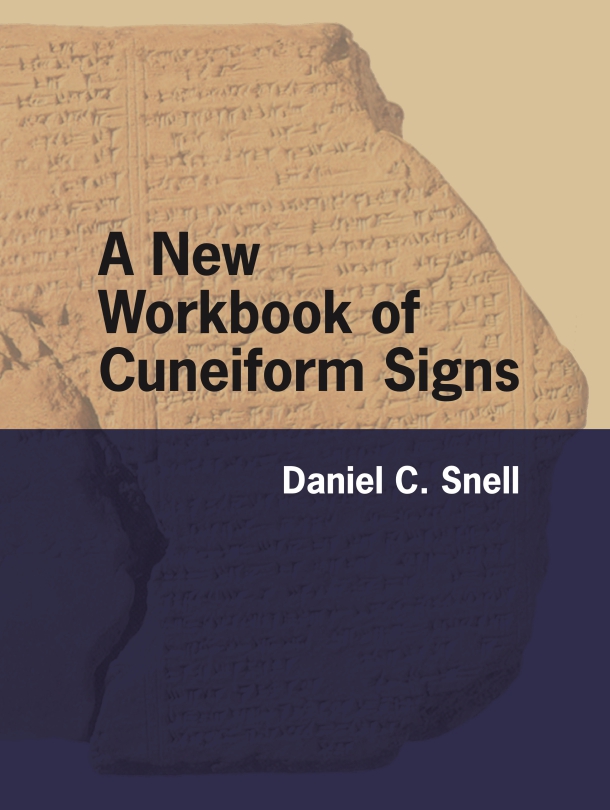
Daniel C. Snell Designed for beginning students of cuneiform languages and cultures, A New Workbook of Cuneiform Signs is an easy and intuitive way to learn cuneiform. It is a valuable resource for students and teachers alike. | | | |
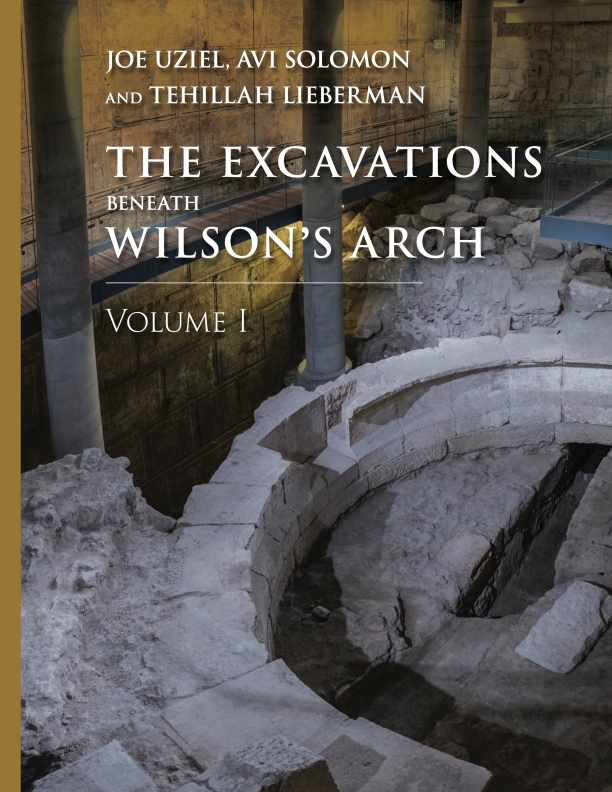
Edited by Joe Uziel, Avi Solomon, and Tehillah Lieberman “This report on recent excavations beneath Wilson’s Arch, which was part of a monumental bridge that provided access to Jerusalem’s Temple Mount, sheds important new light on the development of ancient Jerusalem, particularly in the Herodian and Late Roman periods.”
—Jodi Magness, University of North Carolina at Chapel Hill
| | | |
|
|
|
|