
in this issue
general news
Welcome to the spring issue of PSU Press News!
March is Women’s History Month! We’re honoring it with 40% off powerful scholarship and compelling stories that illuminate women’s lives, ideas, and impact across time and around the world. Browse the sale and use code WHM26 at checkout. Offer valid on US orders only. Sale ends March 29.
We were glad to see so many of you at the conferences we attended last month! If you missed us in February, don’t worry. You can still take advantage of our 40% off conference discount through 3/31/26. Browse all books on sale in our virtual exhibits:
The Penn State University Press Spring/Summer 2026 catalog is live! Browse the catalog to learn about new and forthcoming titles, journals, and more.
Enjoy!
new & noteworthy
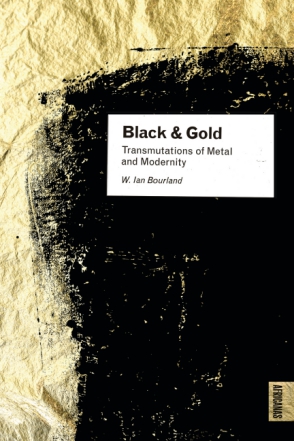 Black & Gold
Transmutations of Metal and Modernity
W. Ian Bourland
“With Black & Gold, Bourland has delivered a most fascinating and provocative work of scholarship. This is a probing, deeply nuanced, and reassuringly thoughtful reflection that deepens our understandings of the practices of several artists of the African Diaspora. The practices of these artists are read against the violent and brutal histories of exploitation and extraction, particularly those relating to gold, a precious metal that continues to fascinate and dominate the world, both culturally and economically. With this book, Bourland underlines his credentials as a leading scholar whose work is engaged and engaging”
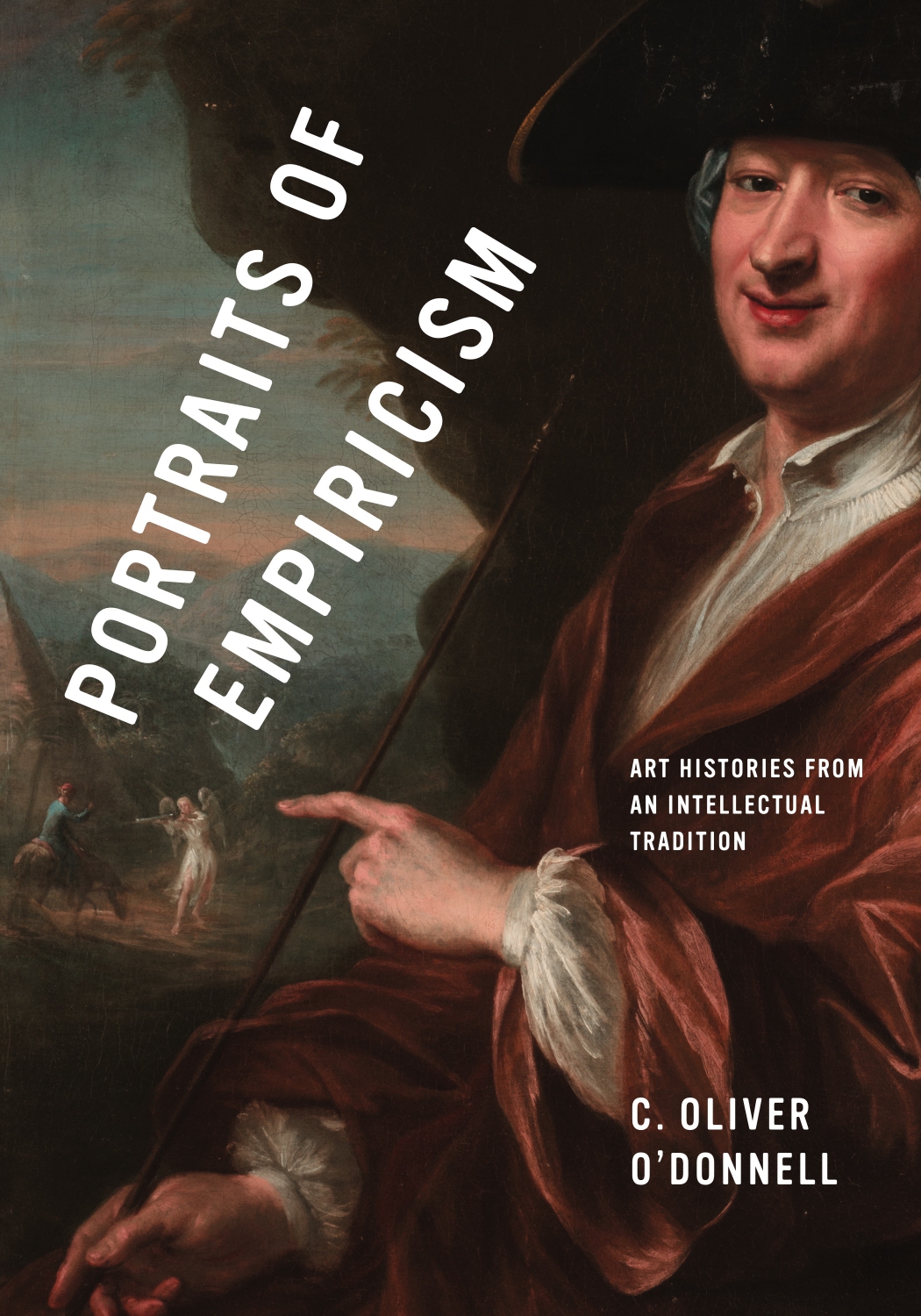 Portraits of Empiricism
Art Histories from an Intellectual Tradition
C. Oliver O’Donnell
“Portraits of Empiricism is a fascinating, relentlessly provocative investigation of the poly vocal conversations between empiricist philosophy and naturalist art. O’Donnell shows how paintings and drawings illustrate, crosshatch, and refocus claims about the basis of knowledge, revealing colonial shadows and logical aporias within seemingly self-evident theories of sensory knowledge and individualism. Packed with bright complication, Portraits unfolds the thinking done by pictures and the images pressing on thought.”
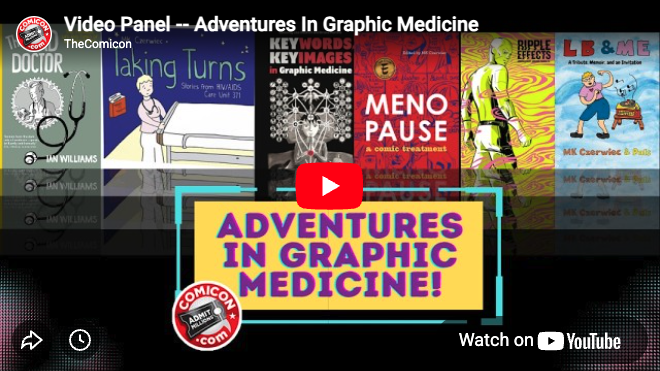
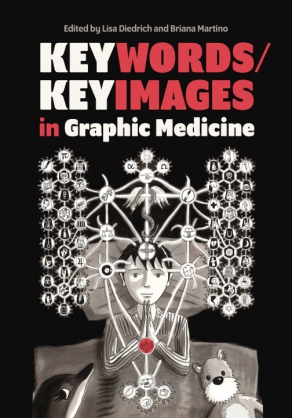 Keywords/
Keyimages in Graphic Medicine
Edited by Lisa Diedrich and Briana Martino
“This is not your typical keywords book. Diedrich and Martino have curated an exceptional and timely volume that engages readers in the possibilities and understandings of graphic medicine. Through a visual and textual diversity of approaches that explore experiences with health and medicine, Keywords/Keyimages celebrates our differences and our shared humanity, providing new perspectives through which we can reflect on and, ultimately, reshape the structures that define health and healing.”
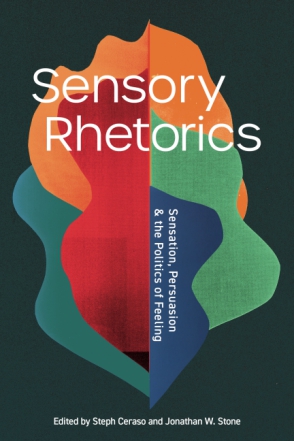 Sensory Rhetorics
Sensation, Persuasion, and the Politics of Feeling
Edited by Steph Ceraso and Jonathan W. Stone
“Compelling and timely, Sensory Rhetorics provides bold new pathways for engaging the possibilities of sensation and sensing. These rich essays provoke us to reconsider, or re-sense, what it means to exist in a body among others, alongside material and technological infrastructures, and in the unfolding of still fraught histories. A must-read for scholars invested in theories of affect, embodiment, and materialism.”
subject/series highlight
awards & reviews
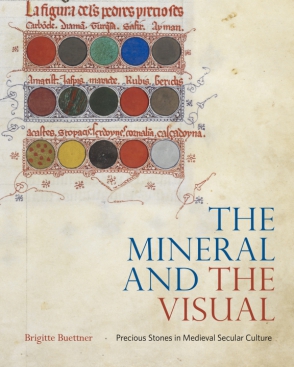
Congratulations to Brigitte Buettner, whose book The Mineral and the Visual: Precious Stones in Medieval Secular Culture has been named the winner of the 2026 Karen Gould Prize in Art History!
upcoming exhibits & events
unlocked book of the month
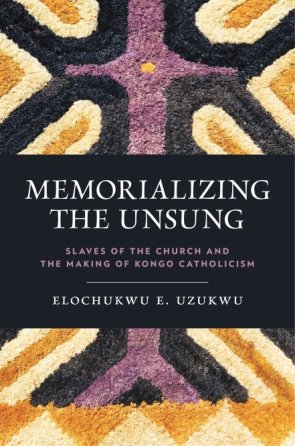
Each month we’re highlighting a book available through PSU Press Unlocked, an open-access initiative featuring scholarly digital books and journals in the humanities and social sciences.
This month’s pick: Memorializing the Unsung: Slaves of the Church and the Making of Kongo Catholicism.
journals news
new from eisenbrauns
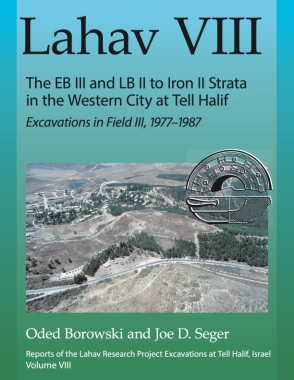
Lahav VIII: The EB III and LB II to Iron II Strata in the Western City at Tell Halif
Excavations in Field III, 1977–1987
Oded Borowski and Joe D. Seger
“While broad archaeological conclusions are important in a final report, they also become dated quickly. To present a detailed and argued stratigraphic matrix along with descriptions of what was found in most of the archaeological contexts, is the key to a successful final archaeological report that will withstand years of scholarship. What was found, where was it found, what was found with it, and in what context are the data that future researchers will seek. Borowski and Seger have provided just that.”
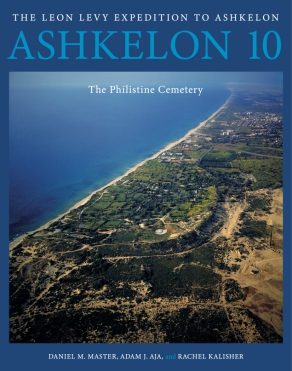
Ashkelon 10
The Philistine Cemetery
Daniel M. Master, Adam J. Aja, and Rachel Kalisher
From 2013 to 2016, the Leon Levy Expedition to Ashkelon excavated an Iron Age cemetery located immediately outside the rampart of the ancient city. This cemetery dates from the period when Ashkelon was a Philistine city, and it is the first one excavated at any of the core Philistines cities. The Philistines are known today mainly as they are portrayed in sources written by others, such as the Hebrew Bible, in stories told by their enemies. In Ashkelon 10, the Philistine story is retold using archaeological evidence. As such, the Philistine cemetery is not only an important reference for the history of the Philistines but a critical piece for understanding the broader puzzle of death and burial in the southern Levant in the first millennium b.c.
new from graphic mundi
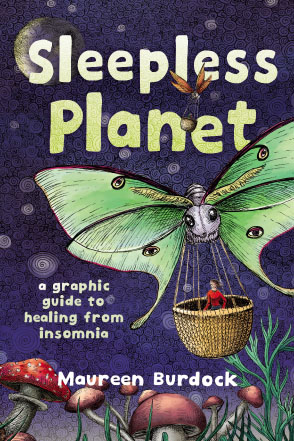 Sleepless Planet
A Graphic Guide to Healing from Insomnia
Maureen Burdock
“Restless readers would benefit from putting this on their nightstand.”
—Publishers Weekly
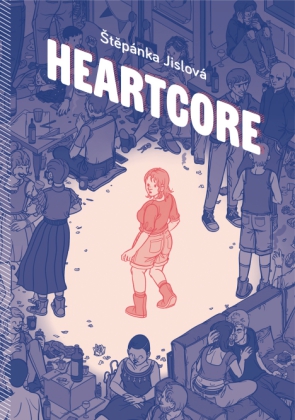 Heartcore


| Control your subscription options |